EV charging basics: connectors, speeds and home charging
AC or DC, Type 2 or CCS2 — a plain-language guide to how electric cars charge and what to plan for at home.
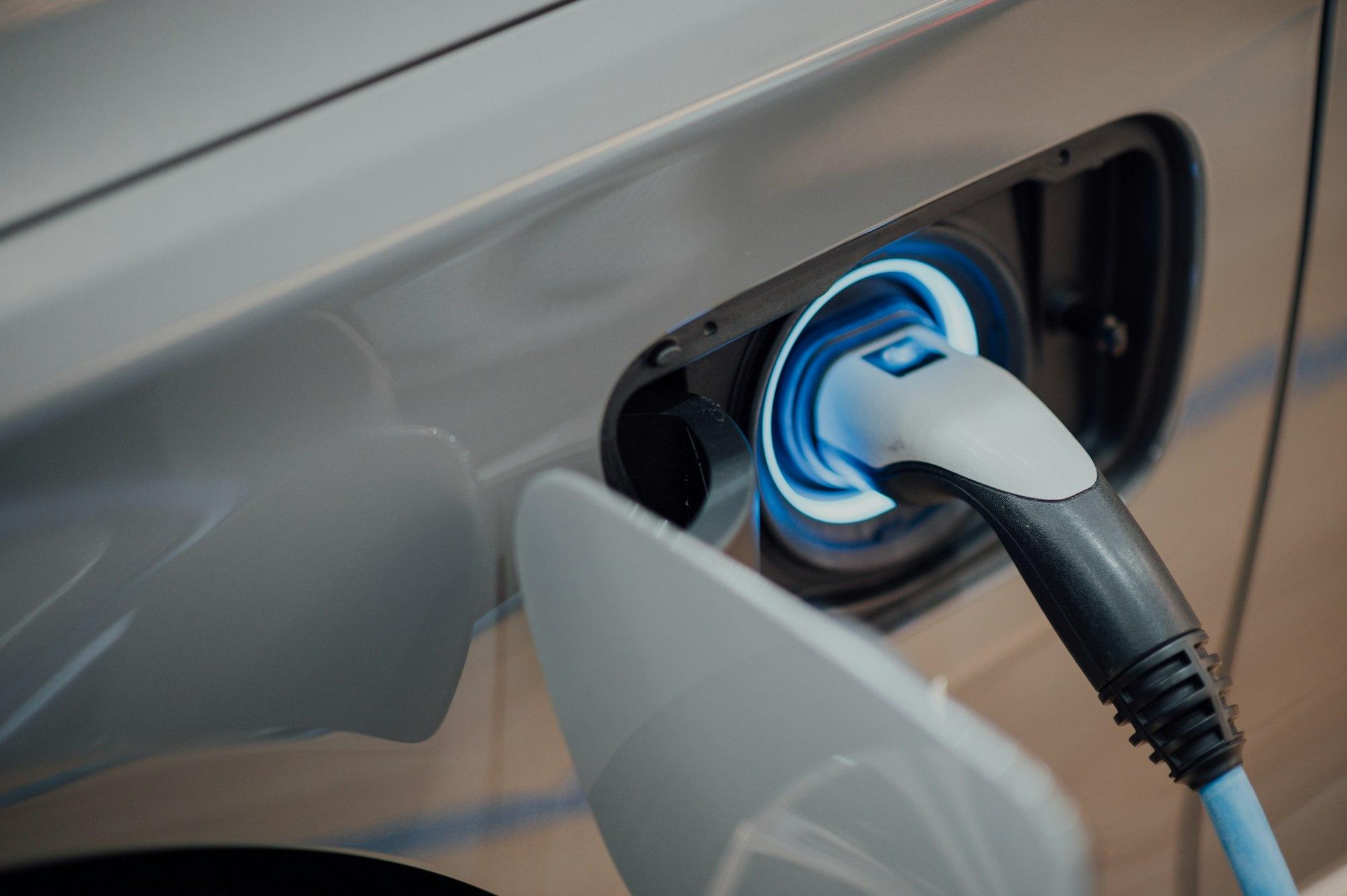
Charging an electric car is simpler than it first appears. There are two ideas to understand: the type of current (AC or DC) and the connector shape. Once you know which your car supports, finding a compatible station becomes straightforward.
AC and DC charging
AC charging is slower and is what you typically use at home and at many public points. The car's onboard charger converts AC into battery-ready DC. DC fast charging bypasses that converter, delivering power directly to the battery and shortening stops on longer trips.
Common connector types
- Type 2: common for AC charging at home and public points.
- CCS2: combines Type 2 with extra pins for DC fast charging.
- CHAdeMO: an older DC fast-charging standard found on some models.
- GB/T: a standard used by vehicles built for certain markets.
Planning home charging
Most owners do the majority of charging at home overnight. Have a licensed electrician assess your wiring, earthing and parking spot before installing a wall charger. A dedicated circuit is safer than an extension lead, and a timer can shift charging to cheaper off-peak hours if your tariff offers them.
Estimating the cost
Multiply the energy you add (in kWh) by your electricity price, then add a margin for charging losses. The EV charging cost calculator does this for you and shows how the cost compares with fuel.
This is sample editorial content for demonstration. It offers general guidance and is not professional financial, legal or mechanical advice.
Related articles
Planning a long trip in an electric car
Range, charging stops and a little buffer: a practical routine for stress-free electric road trips.
Kiran Adhikari2 min read
What to expect as new electric models head to showrooms
Several electric models in our sample catalogue are marked as upcoming. Here is how to follow launches without getting ahead of confirmed details.
Aarav Sharma2 min read
Why total cost of ownership matters more than the sticker price
Two cars with the same price tag can cost very different amounts over five years. Here is how to compare what you will really pay.
Aarav Sharma2 min read