New launchElectric
Tata
Nexon EV
3 variants · compact suv
Rs. 52.4 Lakhonwards
Fuel: ElectricTransmission: AutomaticRange: 489 km rangeSeating: 5 seats
View details →
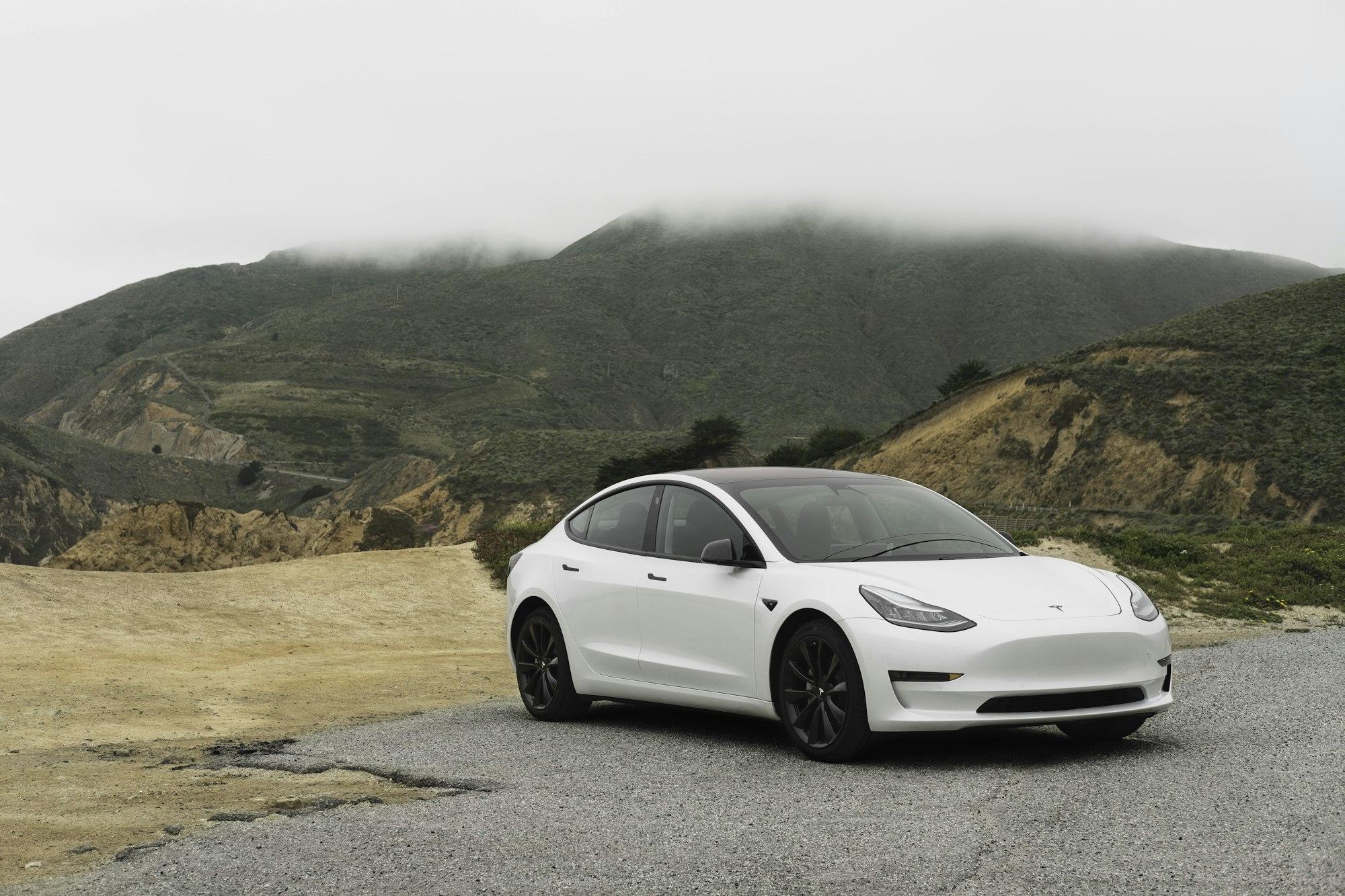
Electric vehicles
Explore electric cars, understand real-world range and charging, and find a station on your route.
On sale now
Compare claimed range, battery size and starting prices.
Tata
3 variants · compact suv
Rs. 52.4 Lakhonwards
BYD
3 variants · suv
Rs. 62.5 Lakhonwards
MG
3 variants · compact suv
Rs. 55.2 Lakhonwards
Tata
3 variants · hatchback
Rs. 30.9 Lakhonwards
Sample data for demonstration. Prices and specifications are indicative and not verified by manufacturers or sellers.
EV buying guide
Generic advice to help you think through ownership — specifics vary by model and region.
List your usual daily distance and your longest regular trip. Claimed range is measured in ideal conditions, so leave a comfortable buffer for traffic, hills and air-conditioning.
Most charging happens overnight. Check you have a safe parking spot, a suitable power supply and, ideally, a wall-box installed by a qualified electrician.
Look at fast chargers along the routes you drive. Make sure the connector type on those stations matches the car you are considering.
Compare purchase price, electricity cost, servicing and battery warranty terms. Ask the seller for the battery health report when buying a used EV.
Incentives, import duties and registration rules change over time — confirm current rules with official sources before you decide.
Range comparison
Claimed range from sample specifications, longest first. Real-world range is usually lower and depends on speed, load, temperature and driving style.
Claimed range, sample data. Upcoming models show expected figures and are highlighted in orange.
Compare EVs side by side| Item | km |
|---|---|
| Kia EV6 | 708 |
| Hyundai Ioniq 5 | 631 |
| BYD Seal | 570 |
| Tata Nexon EV | 489 |
| BYD Atto 3 | 480 |
| MG ZS EV | 461 |
| Tata Tiago EV | 315 |
Charging 101
Connector shapes and charging speeds explained in plain language.
AC · Typically 7–22 kW
The common AC socket for home wall-boxes and destination chargers. Good for overnight or workplace charging.
DC fast · Typically 30–150 kW+
A Type 2 inlet with two extra DC pins underneath. Widely used for fast charging on highways and in city hubs.
DC fast · Typically 25–50 kW
An older DC standard found on some Japanese-built EVs. Fewer new cars use it, but some stations keep a cable.
AC & DC · Typically 7–60 kW
The Chinese national standard, relevant for some imported EVs. Check your car's inlet before relying on a station.
Alternating current is converted to DC by the charger built into your car. Power is limited by that on-board charger, so it is slower but gentle on the battery and ideal for home, workplace and overnight stops.
The station converts power and feeds DC straight to the battery, which allows much higher speeds. Ideal for highway trips; charging slows as the battery fills, so 10–80% is usually the quickest stretch.
Wondering what a charge will cost? Try the EV charging cost calculator.
Estimate charging costCharging station finder
Browse 10 sample stations across 6 cities, up to 120 kW. Filter by connector, speed and network, then open details and directions.
Sample stations only — live availability is not shown.
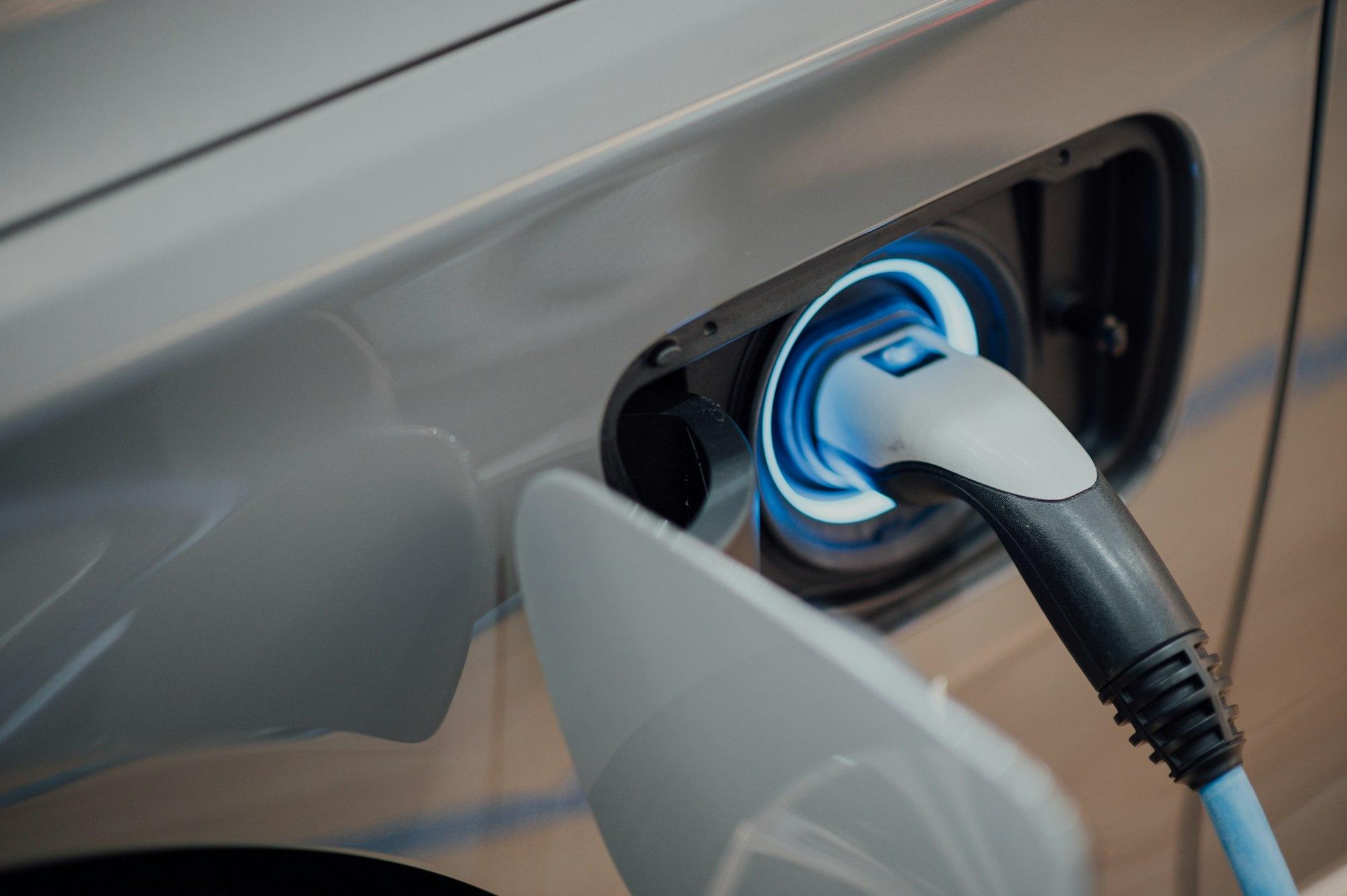
Coming soon
Launch dates and prices are expected values only.
Hyundai
2 variants · suv
Rs. 1.18 Cronwards
BYD
2 variants · sedan
Rs. 78 Lakhonwards
Kia
2 variants · suv
Rs. 1.28 Cronwards
Learn
AC or DC, Type 2 or CCS2 — a plain-language guide to how electric cars charge and what to plan for at home.
Kiran Adhikari2 min read
Range, charging stops and a little buffer: a practical routine for stress-free electric road trips.
Kiran Adhikari2 min read
Looking to buy used? Browse used electric cars